Introduction
In today’s world, skincare, wellness, IV therapy, and personalized health are all becoming more connected. That is why many people are now searching for the term Serumcu. In current web results, the keyword does not appear to have one fully standardized dictionary definition, but it is strongly connected to serums, skincare routines, IV drip therapy, and modern wellness services. At the same time, search interest around face serums focuses heavily on hydration, brightening, anti-aging care, and targeted skin improvement, while IV therapy content often highlights fast nutrient delivery, hydration, and wellness support.
Because of that, people usually search What is Serumcu, Serumcu meaning, Serumcu skincare, Serumcu IV therapy, and Serumcu profession to understand whether the word refers to a skincare expert, a serum specialist, an IV therapy professional, or a wellness consultant. This article explores all of those angles in a clear and practical way. It explains the meaning of Serumcu, its likely origin, the different types of Serumcu roles, its place in skincare and IV therapy, the benefits and risks of serum-based treatments, and the future of this growing professional idea. It also explains how someone could move into this field through medical, cosmetic, or wellness training.
What Is Serumcu?
The simplest way to explain Serumcu is this: it refers to a person who works with serums. The word can be understood through two parts. “Serum” refers to a liquid formula used in medicine, skincare, or wellness, while the Turkish-style suffix “-cu” usually points to a person associated with a specific trade, service, or specialty. Based on that construction, Serumcu can be understood as someone whose work centers on serum products or serum treatments. Because the keyword does not yet appear to have a strong formal definition in major authoritative public sources, this practical meaning is the clearest and most useful one for readers.
In modern use, Serumcu can describe more than one type of professional. It may refer to a skincare serum specialist who recommends topical products for glow, acne, hydration, or anti-aging. It may also refer to an IV drip therapist who works with hydration or vitamin infusion services in clinics or wellness centers. In beauty settings, it can mean a serum expert who understands active ingredients and skin concerns. In broader wellness settings, it can describe a consultant who combines skin care, hydration, and nutrient support. It is also important to separate three related ideas: a serum product is the formula itself, serum therapy is the treatment process, and a Serumcu is the person who works with or guides those treatments.
Origin and History of Serum-Based Treatments
To understand Serumcu properly, it helps to look at the history of serum-based treatments. Medical serum use began long before modern beauty culture. In hospitals, intravenous fluids have long been used to deliver hydration, electrolytes, glucose, and medications directly into the bloodstream. Over time, IV therapy expanded beyond emergency care and became associated with recovery, nutrient support, and targeted wellness treatments. Modern wellness sources commonly describe IV therapy as a method that bypasses digestion and delivers nutrients more quickly into the body than oral supplements. That medical foundation helped create the broader public interest in serum-based care.
At the same time, skincare serums became an important part of cosmetic routines. As the skincare industry grew, products containing vitamin C, hyaluronic acid, niacinamide, and retinol became popular because they offered more concentrated, targeted treatment than basic creams. Beauty brands now regularly market serums for hydration, brightening, anti-aging, and acne support. This shift made the idea of a serum specialist more understandable to consumers. From there, wellness clinics, beauty centers, and IV bars helped shape the modern image of a Serumcu. The profession appears to have emerged at the intersection of nursing, dermatology, cosmetology, and wellness therapy, where scientific treatment and aesthetic care increasingly overlap.
Types of Serumcu and Their Specializations
The meaning of Serumcu becomes clearer when we look at the different roles the word can cover. A medical Serumcu would be the closest to clinical care. This kind of specialist works with IV hydration, vitamin drips, recovery support, and nutrient infusions in hospitals, medical centers, or supervised wellness clinics. Their work depends on accurate fluid handling, safe delivery methods, and attention to a client’s physical condition. Since IV therapy involves direct bloodstream delivery, medical knowledge and clinical oversight are especially important in this area.
A cosmetic Serumcu focuses on topical skincare. This person may work in a beauty clinic, facial studio, or dermatology-linked setting, using serums to target dryness, dullness, pigmentation, acne, or signs of aging. A wellness Serumcu blends beauty and health, often guiding clients on hydration, nutrients, skin support, and broader self-care. In some settings, this role may include both skincare advice and supervised wellness therapies. An aesthetic Serumcu is more treatment-focused and may work with procedures such as microneedling, skin infusion systems, and professional facial serum applications. These categories are different, but they all share the same central idea: using serum-based solutions in a more customized and informed way than ordinary retail skincare alone.
The Science Behind Serum Therapy and Skincare Serums
The science behind serum use is one reason the term Serumcu feels relevant today. In skincare, serums are usually lighter and more concentrated than traditional creams. Their texture helps active ingredients spread easily and absorb more effectively into the surface layers of the skin. Brands and skincare retailers commonly promote serums as targeted solutions for issues such as dehydration, brightness, uneven tone, pores, and fine lines. This is why ingredients matter so much. A serum is not just a beauty product; it is a delivery system for specific actives.
Common ingredients include hyaluronic acid for hydration, vitamin C for brightness, niacinamide for tone balance and barrier support, peptides for firmness support, and collagen-related or amino-acid-based formulas for skin conditioning. In IV therapy, the science works differently. Nutrients are delivered directly into the bloodstream, which wellness and clinic sources often describe as faster than oral intake because digestion is bypassed. This is why discussions of IV therapy often mention bioavailability. In simple words, bioavailability means how much of a nutrient or ingredient actually becomes available for the body to use. That does not mean every serum or IV drip is automatically better for every person, but it explains why serum-based treatments attract attention in both skincare and wellness fields.
Benefits of Serumcu Treatments
One major reason people are interested in Serumcu-related services is the promise of targeted benefits. In skincare, serums are widely associated with fast hydration, smoother texture, better brightness, and support for common concerns such as dullness, dryness, uneven tone, and early aging signs. Hydrating ingredients can help the skin look fuller and fresher, while brightening formulas may improve the appearance of tired or stressed skin over time. This targeted approach is one reason many users choose serums over general creams when they want more focused results.
In wellness and IV therapy settings, the appeal is slightly different. Clients often look for hydration support, energy improvement, recovery help, or nutrient replenishment. Many IV therapy sources describe these treatments as useful for fast support because delivery happens directly through the bloodstream. This has led to strong interest from people dealing with busy schedules, travel fatigue, dehydration, and high-stress routines. Another important benefit is personalization. A Serumcu is often understood as someone who helps match a serum or treatment plan to the needs of the individual instead of offering the same solution to everyone. That personalized, preventive approach fits modern consumer interest in wellness routines that feel efficient, practical, and customized.
Rise of Serum Bars and IV Clinics
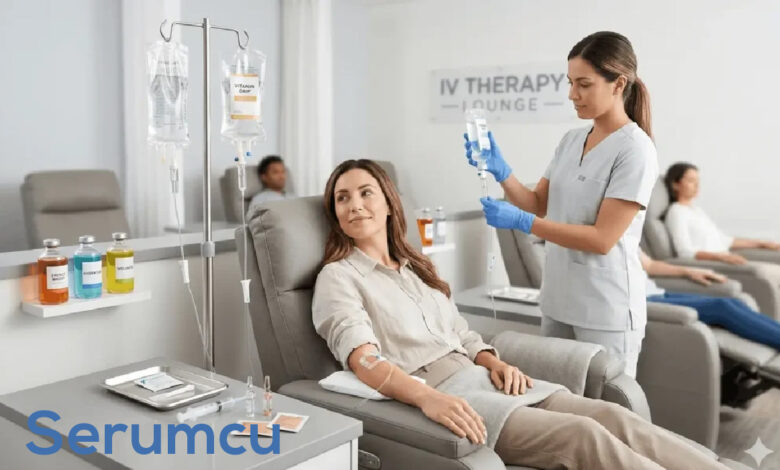
The rise of serum bars and IV clinics has made the idea of Serumcu much more visible. A serum bar is generally a wellness-focused location where people can receive customized IV drips or nutrient-based treatments in a more modern, lifestyle-oriented environment than a hospital. Instead of being framed only as medical support, these places often market hydration, energy, beauty, detox, and immunity blends as part of everyday wellness culture. This shift has helped IV therapy move into mainstream conversation.
These clinics have grown because they match current consumer habits. People want quick solutions, visible results, and treatments that fit into a busy lifestyle. That is why common menu-style options often include energy drips, beauty drips, detox support, hydration infusions, and immunity-focused formulas. Public interest has also been fueled by athletes, travelers, executives, and beauty-conscious consumers who see IV therapy as part of performance and recovery culture. At the same time, skincare clinics have expanded the “serum expert” idea through facial treatments, ingredient-driven skincare consultations, and advanced aesthetic procedures. Together, these trends have turned serum-based care into a service economy, where the Serumcu is not just a product seller but a guide within a larger wellness experience.
Risks, Safety, and Ethical Considerations
Although serum-based treatments can be useful, they are not risk-free. In IV therapy especially, safety depends on qualified supervision, sterile equipment, proper hygiene, and careful matching of the formula to the individual. If these standards are ignored, there can be risks such as infection, irritation, poor technique, or reactions to ingredients. Even in topical skincare, strong ingredients may cause redness, dryness, or sensitivity if they are used incorrectly or layered poorly. That is why the role of a knowledgeable professional matters so much.
Another concern is the growth of trendy marketing around serum therapy. As IV clinics and beauty treatments become more fashionable, some businesses may make results sound bigger or faster than they really are. Ethical practice means being honest. A good Serumcu should explain what a treatment can do, what it cannot do, and whether it is suitable for a particular person. It also means avoiding miracle-style promises and respecting medical boundaries. Consumers should be careful with fake clinics, poor hygiene, untrained practitioners, or exaggerated claims. In both beauty and wellness, trust is built through transparency, realistic guidance, and safe practice rather than hype. That is especially important for readers looking for useful information instead of marketing language.
Training, Certification, and How to Become a Serumcu
The path to becoming a Serumcu depends on which part of the field a person wants to enter. In medical settings, a Serumcu would usually come from a healthcare background, such as nursing, medicine, or paramedic work, and would need proper IV therapy training if handling drips or infusion-based services. Because IV therapy involves direct clinical procedures, safety knowledge is essential. That includes sterile handling, client assessment, hydration awareness, and an understanding of how nutrient infusions work in practice.
In cosmetic settings, the path may involve cosmetology, aesthetics, skincare certification, or dermatology-related training. A cosmetic Serumcu needs strong knowledge of ingredients, skin types, barrier health, and product compatibility. In wellness spaces, the role may also include nutrition basics, anti-aging support, lifestyle guidance, and consultation skills. Across all versions of the role, several abilities matter: skin analysis, ingredient knowledge, hygiene standards, patient or client care, and communication. A Serumcu is not only someone who uses serums; it is someone who understands why a specific serum is chosen, how it should be applied, and what results are realistic. That blend of technical knowledge and practical guidance is what makes the role feel increasingly professional in the modern beauty and wellness economy.
Serumcu in Modern Skincare and Wellness Industry
In the modern skincare and wellness industry, the idea of Serumcu fits perfectly with the move toward personalization. Consumers no longer want only basic one-size-fits-all products. They want routines and treatments matched to their skin condition, lifestyle, environment, and age-related concerns. Retail and clinic content around serums already emphasizes targeted care for hydration, brightening, acne support, oil balance, pore care, and anti-aging. That makes the serum specialist concept more relevant than ever.
At the same time, wellness culture is expanding into preventive health, biohacking, and longevity-focused routines. IV therapy is often marketed as a quick way to support hydration, nutrient intake, and general wellness, while skincare technology is increasingly shaped by skin analysis tools, targeted ingredient systems, and more customized treatment choices. In this environment, a Serumcu can be seen as both a consultant and a specialist. The role is not limited to applying a product. It includes understanding formulas, reading skin needs, recognizing safe treatment limits, and helping people make informed choices. That is why the concept sits naturally between beauty, wellness, and science-driven self-care.
Why Serumcu Is Becoming Popular in 2025
Serumcu is becoming more appealing in 2025 because it matches current lifestyle pressures and beauty expectations. Many people are dealing with stress, pollution, poor sleep, heavy screen time, travel fatigue, and inconsistent diets. These factors often show up in the skin through dullness, dryness, breakouts, or tired-looking texture. At the same time, people want solutions that feel direct and efficient. Serum-based skincare and IV wellness treatments both fit that demand because they are often promoted as targeted, fast, and easy to personalize.
Social media has also made these treatments more visible. Beauty routines built around actives like vitamin C, niacinamide, and hyaluronic acid are now mainstream, and IV therapy has become part of the online conversation around glow, recovery, and performance. Celebrity and athlete interest have helped normalize these services for a wider audience. As beauty and wellness continue to merge, the Serumcu idea feels modern because it combines skincare knowledge, treatment culture, and personalized service in one role.
Future of the Serumcu Profession
The future of the Serumcu profession looks strong because both skincare and wellness are moving toward smarter personalization. In skincare, we are already seeing more interest in targeted active ingredients, highly specialized formulas, and treatment plans shaped by individual needs. In wellness, IV therapy continues to be described as a customizable tool for hydration and nutrient support. As these industries grow, the demand for people who can guide treatment choices safely and clearly is also likely to grow.
In the years ahead, the field may expand through AI skin analysis, smarter product matching, nano-style serum delivery systems, wearable hydration tracking, and more personalized beauty and wellness plans. Some of these changes are already visible in the way clinics and brands talk about customization and technology. That means the future Serumcu may act less like a simple technician and more like a cross-disciplinary specialist who understands skin, ingredients, hydration, wellness, and data-informed care. As public interest in preventive health and appearance continues to rise, the term Serumcu may become even more recognized across beauty clinics, wellness centers, and modern skincare businesses around the world.
Conclusion
Serumcu is best understood as a modern term for a person who works with serums in skincare, wellness, or IV therapy settings. Even though the keyword does not yet have one universal formal definition across major public sources, it clearly connects to real trends that are already shaping the beauty and wellness industry: concentrated skincare serums, targeted active ingredients, hydration support, and personalized treatment culture. That is what makes the term useful and relevant today.
Its importance comes from the way it joins different worlds together. A Serumcu can represent skincare knowledge, clinical care, aesthetic treatment, and wellness guidance all at once. As consumers continue to look for safer, smarter, and more personalized solutions, the role of serum-focused professionals is likely to grow further. The future of beauty and health is moving toward precision, prevention, and customization, and the Serumcu idea fits naturally into that direction. Used responsibly, the concept reflects a broader shift in how people care for their skin, energy, and overall well-being in a more informed and intentional way.
One important note: I can help optimize this article for search, but nobody can honestly guarantee a Google “top 1” ranking because rankings depend on competition, site authority, backlinks, technical SEO, and search intent match, not just the article text itself.
(FAQs)
1: What is Serumcu?
Serumcu is a term used for a person who works with serums in skincare, medical, or wellness settings. The word comes from “serum,” which means a liquid treatment, and “-cu,” which refers to a person who works with something. A Serumcu may be a skincare specialist who uses face serums, an IV therapy professional who gives vitamin drips, or a wellness expert who provides hydration and nutrient treatments. In simple words, a Serumcu is a serum specialist who helps improve skin, health, or wellness using different types of serums.
2: What does a Serumcu do?
A Serumcu works with different types of serums to help people improve their skin, hydration, and overall wellness. In skincare, a Serumcu recommends serums for glowing skin, acne, anti-aging, or hydration. In medical or wellness clinics, a Serumcu may provide IV drips that contain vitamins, minerals, and fluids to help with energy, dehydration, or recovery. The main job of a Serumcu is to choose the right serum treatment based on a person’s needs.
3: Is Serumcu related to skincare or IV therapy?
Serumcu is related to both skincare and IV therapy. In skincare, a specialist uses facial serums to treat skin problems like dryness, dark spots, acne, and wrinkles. In IV therapy, it refers to a trained professional who gives serum drips that contain vitamins and fluids directly into the body. So, Serumcu can work in beauty clinics, dermatology centers, wellness clinics, or medical centers, depending on their specialization.
4: What are the benefits of serum treatments?
Serum treatments are popular because they are concentrated and work faster than many regular products. Skincare serums help hydrate the skin, improve skin tone, reduce wrinkles, and make skin look brighter and smoother. IV serum treatments help with hydration, energy, immunity, and recovery because nutrients go directly into the bloodstream. Many people choose serum treatments because they are targeted, fast, and can be customized for different needs.
5: How can someone become a Serumcu?
To become a Serumcu, a person needs training based on the area they want to work in. For medical or IV therapy, a person usually needs to be a nurse, doctor, or paramedic with IV therapy certification. For skincare, a person can study cosmetology, dermatology assistance, or aesthetic skincare training. A Serumcu must understand skin types, serum ingredients, hygiene, and client consultation. Proper training and certification are important to work safely and professionally as a Serumcu.
For more amazing news and information, visit Euro Press Printers