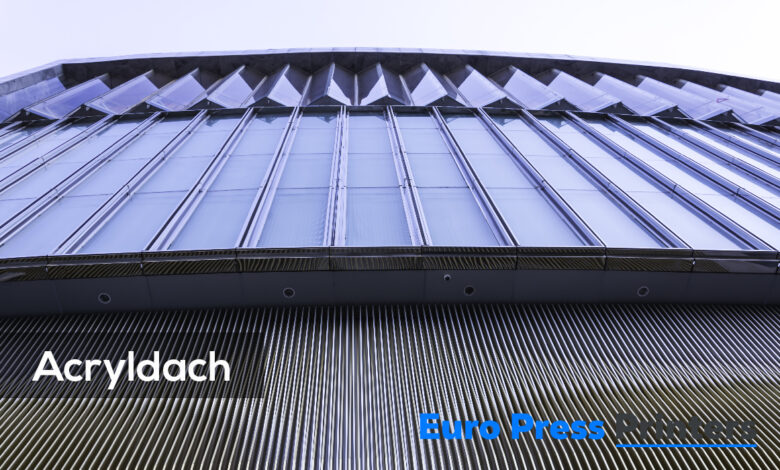
Acryldach is a modern roofing system made from acrylic (PMMA) materials, designed to provide transparency, durability, and strong resistance to weather. It includes both rigid acrylic panels and liquid roof coatings used in skylights, pergolas, and flat roofs. Acryldach is a modern roofing option that is light in weight, strong, and allows natural light to pass through.
Acryldach is a type of roof made from strong acrylic plastic. It allows sunlight to pass through while protecting from rain, heat, and harsh weather. It is commonly used in homes, greenhouses, and buildings where natural light and long-lasting performance are important.
Introduction
Modern construction is changing fast as people search for roofing materials that are not only strong but also efficient and visually appealing. Traditional roofing options like tiles, metal sheets, and concrete are often heavy, block natural light, and require regular maintenance. Because of this, homeowners and builders are now looking for smarter alternatives that can meet modern needs. This is where Acryldach has become a popular choice.
Acryldach offers a unique combination of lightweight design, durability, and energy efficiency. Unlike traditional roofs, it allows natural light to enter spaces, reducing the need for artificial lighting during the day. This makes it a great choice for skylights, pergolas, greenhouses, and flat roof applications. At the same time, it provides strong protection against rain, UV rays, and changing weather conditions.
Another reason behind its rising popularity is its long lifespan and low maintenance. People want roofing solutions that last for years without frequent repairs, and Acryldach delivers exactly that. It also adds a modern and stylish look to buildings, which is important in today’s design-focused world.
In this guide, we will explore the meaning, types, benefits, installation, cost, and real-world uses of Acryldach.
What Does Acryldach Mean?
The word Acryldach comes from two simple parts. The first part, “acryl,” refers to acrylic material, which is a strong and transparent plastic known as PMMA. The second part, “dach,” is a German word that means roof. When combined, Acryldach simply means an acrylic roofing system.
Over time, this term has become more than just a basic definition. In modern construction, Acryldach includes a wide range of roofing solutions made from acrylic materials. It not only refers to solid acrylic panels but also includes liquid-applied roof coatings that are used to protect flat or low-slope roofs.
This evolution shows how flexible and useful Acryldach has become. It is no longer limited to one type of roofing but represents a complete category of modern roofing systems. Whether it is clear panels for skylights or protective coatings for waterproofing, Acryldach covers both.
Types of Acryldach Roofing Systems
Acryldach roofing systems come in different types, each designed for specific uses and needs. One of the most common types is acrylic roof panels made from PMMA sheets. These panels are clear, strong, and long-lasting, making them ideal for skylights, patios, and pergolas. They allow maximum sunlight while still protecting from rain and dust.
Another type is corrugated Acryldach sheets. These sheets have a wavy design that adds extra strength and stability. Because of this structure, they are widely used in industrial buildings, sheds, and warehouses where durability is very important.
Multiwall or twinwall panels are also popular. These panels have hollow sections inside, which help in insulation. They are commonly used in greenhouses and energy-efficient buildings because they can control temperature while still allowing light to pass through.
There are also liquid acrylic roof coatings. These are applied like paint on roof surfaces. Once they dry, they form a waterproof and reflective layer that protects against leaks and heat. This type is often used for flat roofs and renovation projects.
Materials & Technology Behind Acryldach
The main material used in Acryldach is PMMA, also known as polymethyl methacrylate. This material is a lightweight plastic that looks similar to glass but is much stronger and more durable. It offers high clarity, which means it can allow a large amount of light to pass through while still being tough enough to handle outdoor conditions.
Modern Acryldach systems also use advanced UV protection technology. This helps prevent the material from turning yellow or becoming weak over time due to sunlight. As a result, the roof maintains its clear appearance for many years.
Another important aspect is the variety of finishes and colors available. Acryldach panels are not limited to clear designs. They can come in different shades like bronze, opal, or grey. Some panels also have textured surfaces that provide privacy while still letting light in. This combination of materials and technology makes Acryl dach both functional and visually appealing.
Key Features & Benefits of Acryldach
One of the biggest benefits of Acryldach is its durability and long lifespan. With proper care, it can last between 20 and 30 years, making it a reliable investment for homeowners and businesses. It can withstand harsh weather conditions such as heavy rain, strong winds, and intense sunlight.
Another major advantage is its ability to transmit light. Acryldach panels allow natural sunlight to enter buildings, which helps reduce electricity usage during the day. This helps reduce energy costs and creates a more comfortable indoor space.
Acryldach also provides strong waterproof protection. Liquid coatings create a seamless layer that prevents leaks, while solid panels keep rain and moisture out. At the same time, the material is lightweight, which makes it easier to install compared to traditional roofing materials.
Maintenance is also simple. Acryldach does not rust or corrode, and it only needs basic cleaning with water and mild soap. In terms of safety, it is much safer than glass because it does not shatter into sharp pieces. Additionally, many Acryldach materials are recyclable, making them an eco-friendly option.
Acryldach vs Traditional Roofing Materials
When compared to polycarbonate roofing, Acryldach offers better clarity and does not lose its transparency over time. However, polycarbonate is slightly stronger in terms of impact resistance. For most applications, Acryldach provides a better balance between strength and appearance.
Compared to glass roofing, Acryldach is much lighter and safer. Glass can break easily and is heavy to install, while Acryldach offers similar transparency with better durability and easier handling.
Fiberglass roofing is another option, but it can become brittle and crack over time. Acryldach, on the other hand, remains flexible and strong even after years of use.
Metal roofing is strong and long-lasting, but it blocks natural light and can make spaces feel darker. Acryldach solves this problem by allowing sunlight to enter while still providing protection.
Overall, Acryldach stands out as a balanced solution that combines clarity, strength, and efficiency.
Applications of Acryldach in Real Life
Acryldach is widely used in residential spaces such as patios, pergolas, and skylights. Homeowners prefer it because it allows natural light to enter while protecting outdoor areas from rain and heat. It creates a bright and open environment without compromising comfort.
In commercial settings, Acryldach is used in shopping malls, canopies, and warehouses. Large buildings benefit from natural daylight, which reduces energy consumption and improves the working environment.
In agriculture, Acryldach plays an important role in greenhouses and farms. It helps plants grow by providing the right amount of light and controlling temperature conditions. This makes it a valuable tool for modern farming.
Public spaces also use Acryldach for walkways, bus stops, and shelters. Its durability and clean appearance make it suitable for areas with high traffic and exposure to weather.
Step-by-Step Acryldach Installation Guide
Installing Acryldach begins with proper planning and measurement. The roof area must be carefully measured to ensure the correct size and number of panels. This step is important to avoid mistakes during installation.
Next, a strong frame is prepared using materials like metal or treated wood. This frame supports the panels and ensures stability. Once the frame is ready, the panels are cut according to the required dimensions.
The panels are then placed and fixed onto the frame using screws and rubber washers. It is important not to tighten the screws too much, as the material needs space to expand and contract with temperature changes.
After fixing, all joints are sealed properly to prevent water leakage. Finally, the roof is checked to ensure everything is aligned and secure. While small projects can be done by beginners, professional installation is recommended for larger structures.
Maintenance & Care of Acryldach Roofs
Maintaining Acryldach roofs is simple but important for long-term performance. Cleaning it regularly with gentle soap and water helps clear away dust and dirt. Using soft cloths or sponges prevents scratches on the surface.
It is important to avoid harsh chemicals or rough cleaning tools, as they can damage the acrylic material. Regular inspection of the roof helps identify small issues before they become serious problems.
If small cracks appear, they can be repaired using special adhesives designed for acrylic materials. Seasonal checks, especially before rainy or winter seasons, ensure that seals and joints remain in good condition.
With proper care, Acryldach roofs can maintain their clarity and strength for many years.
Acryldach Cost & Return on Investment
The cost of Acryldach depends on several factors, including the type of material, thickness, and installation method. Generally, it is more affordable than glass roofing but slightly more expensive than basic metal sheets.
Thicker panels and advanced coatings increase the cost but also improve durability and performance. Installation costs can vary depending on the size and complexity of the project.
Despite the initial cost, Acryldach offers a strong return on investment. Its ability to reduce energy usage and maintenance expenses makes it cost-effective in the long run. Many users recover their investment within a few years through energy savings.
Advantages and Disadvantages of Acryldach
Acryldach offers many advantages, including its lightweight design, energy efficiency, durability, and modern appearance. It is easy to install and requires minimal maintenance, making it a convenient choice for many users.
However, it also has some disadvantages. The surface can be scratched if not handled carefully. It also expands with temperature changes, which requires proper installation techniques. Additionally, the cost may be slightly higher than basic roofing materials.
Understanding both advantages and disadvantages helps in making the right decision based on your needs.
Top Acryldach Brands & Suppliers
There are several well-known brands that provide high-quality Acryldach products. ACRYLITE® is known for its premium acrylic panels with long-lasting clarity. Stabilit and Acrylit focus on producing corrugated sheets designed for industrial applications.
Acrylabs offers advanced liquid roof coatings that provide strong waterproof protection. Palram is another well-known brand, although it mainly focuses on polycarbonate products, often compared with Acryl dach.
Choosing a trusted brand is important to ensure durability, performance, and warranty support.
Building Codes, Standards & Safety
Following building codes is essential when installing Acryldach. Regulations like the International Building Code (IBC) ensure that roofing systems meet safety and performance standards.
ASTM standards are also important as they test materials for strength, impact resistance, and weather durability. These standards help ensure that the roofing system can handle real-world conditions.
Most manufacturers offer warranties ranging from 10 to 20 years, which provides additional confidence in the product’s quality and reliability.
Real-Life Case Studies of Acryl dach
In residential projects, many homeowners have installed Acryldach skylights to bring natural light into kitchens and living rooms. This not only improves the appearance of the space but also reduces electricity usage.
In commercial buildings, warehouses use Acryl dach panels to create bright working environments. This helps reduce lighting costs and improves productivity.
In agriculture, greenhouse farmers use Acryldach to control light and temperature. This leads to better crop growth and higher yields, showing the practical benefits of this roofing system.
READ MORE f
Future of Acryl dach in Modern Architecture
The future of Acryldach looks very promising as construction trends move toward sustainability and smart design. New technologies are being developed to improve their performance, including solar-integrated panels that can generate energy.
There is also growing demand for eco-friendly materials, and Acryldach fits well into this trend because of its recyclability and energy-saving benefits. Smart roofing systems with adjustable transparency and heat control are also being explored.
As innovation continues, Acryldach is expected to become even more advanced and widely used in modern architecture.
Conclusion
Acryldach is a modern roofing option that blends strength, clear design, and energy-saving performance. It offers a strong alternative to traditional materials by providing natural light, weather protection, and long-term performance. Its wide range of applications makes it suitable for homes, businesses, and agricultural use. With its growing popularity and future potential, Acryl dach is set to play a major role in the next generation of roofing systems.
(FAQs)
1. What is Acryldach used for?
Acryldach is used for roofing in homes, greenhouses, patios, and commercial buildings. It allows natural sunlight to enter while protecting from rain, heat, and UV rays. It is popular because it is strong, lightweight, and long-lasting.
2. Is Acryldach better than polycarbonate roofing?
Acryldach offers better clarity and stays clear for many years without turning yellow. Polycarbonate is stronger against heavy impact, but Acryl dach looks more like glass and gives better light quality. The right option depends on what you need.
3. How many years can an Acryldach roof last?
Acryldach roofing can last around 20 to 30 years with proper care. High-quality materials and correct installation can increase its lifespan even more, making it a long-term roofing solution.
4. Can Acryldach help reduce energy costs?
Yes, Acryldach helps reduce energy costs because it lets natural light enter during the day. This lowers the need for artificial lighting. Some types also reflect heat, which helps keep buildings cooler.
5. Is Acryldach easy to maintain?
Acryldach is very easy to maintain. You only need to clean it with water and mild soap to remove dust and dirt. It does not rust or corrode, and regular, simple cleaning keeps it in good condition for years.
For more amazing news and information, visit Euro Press Printers